Living Like a Local, Just for a While: The Art of Borrowing Someone Else's Life
Living Like a Local, Just for a While: The Art of Borrowing Someone Else's Life
The first morning matters. Not the grand arrival, not the unpacking — but that first ordinary morning, when the novelty has softened just enough to let the place breathe around you. In a hotel, that morning arrives with a tray, a miniature pot of marmalade, and a view framed for your convenience. In a rented apartment in Lisbon, or a stone cottage in the Lot, or a crumbling townhouse in Palermo, it arrives with a moka pot you've had to figure out, a supermarket bag on the counter, and the faint sound of a neighbour's radio drifting through a window you opened yourself.
This is the distinction that matters. And for a growing number of women travelling solo or in small groups, it is the distinction that has come to define what travel means at all.
The Shift from Guest to Inhabitant
There is a particular grammar to hotel life. You are the subject; the place is the object. The city exists to be seen, consumed, and departed from. Your comfort is curated, your presence is temporary by design, and the transaction — however luxurious — remains a transaction. You are, in the most fundamental sense, passing through.
Renting a home inverts this entirely. Suddenly, you are not a guest of the city but a provisional citizen of a specific street, a particular quartier, a named neighbourhood with its own rhythms and hierarchies. You learn which bakery opens earliest. You discover that the bin collection is on Tuesdays and Fridays, because you've had to find out. You nod to the woman on the second floor who waters her geraniums at seven each morning without fail, and by the fourth day, she nods back with something approaching recognition.
This is not tourism. This is something closer to living, with the serial numbers filed off.
What the Kitchen Teaches You
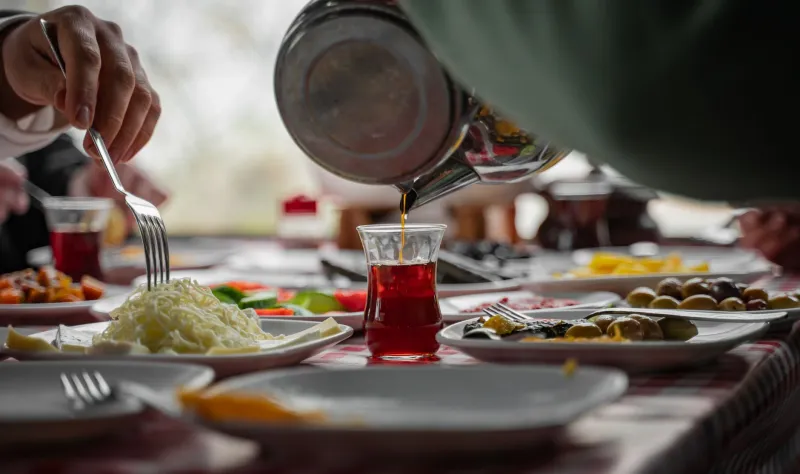
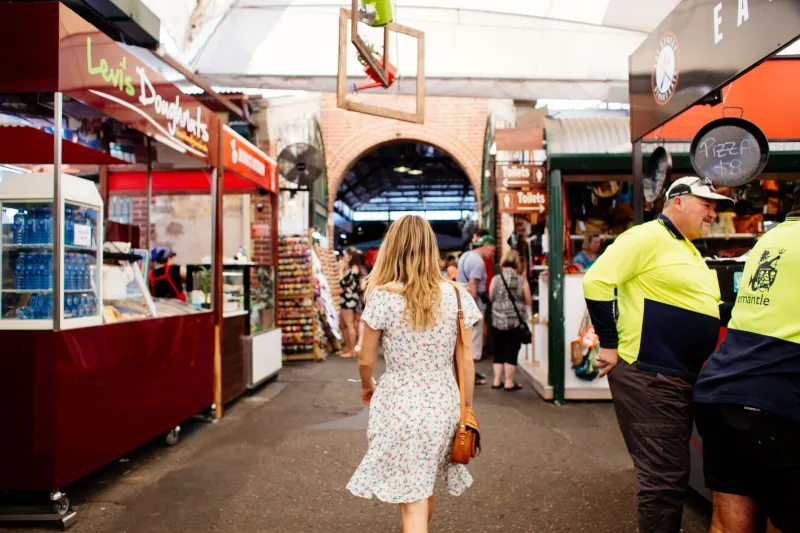
Cooking in someone else's kitchen is, in its own understated way, an act of cultural immersion that no guided tour can replicate. You shop at the market not because it's picturesque — though it may well be — but because you genuinely need dinner. You stand at a butcher's counter and attempt to communicate what you want with a combination of rudimentary French, hand gestures, and the particular determination of a woman who has not eaten since the train. You carry your purchases home in a cotton bag that belongs to the apartment's owner, past the same tabac, the same pharmacy, the same dog tied outside the same épicerie.
Repetition is the engine of belonging. And belonging, even temporary and borrowed belonging, is what so many of us are quietly seeking when we book a flight.
The kitchen also offers something more private: the freedom to eat exactly what you want, when you want, without the social performance that restaurants require of a woman dining alone. A bowl of good pasta at ten o'clock at night, eaten standing at a counter with a glass of local wine, looking out at a darkened courtyard — this is a pleasure that no tasting menu can touch.
The Slower Acquaintance with Place
Staying in one home for a week or a fortnight forces a different relationship with geography. You are not optimising. You are not ticking. You are simply returning, again and again, to the same door, the same key, the same view from the same window at different hours of the day.
This repetition reveals things that a single visit cannot. The light in the Umbrian hills at six in the morning is entirely unlike the light at noon, and both are unlike the extraordinary amber that settles over the valley at dusk. The café on the corner is lively with schoolchildren at half past eight and almost silent by nine. The church bells you found charming on the first evening become, by the fourth, simply the sound of where you are — unremarkable, habitual, yours.
There is a word in Portuguese — saudade — that describes a longing for something once possessed and now absent. Women who travel this way often speak of experiencing a kind of anticipatory saudade: a tenderness towards the place they are still in, because they already know they will miss it. That feeling does not come from a hotel room. It comes from having genuinely, if briefly, lived somewhere.
The Practical Case
It would be dishonest to romanticise without acknowledging the practical virtues. For women travelling from the UK — particularly those venturing out for longer than a fortnight, or those for whom the budget must stretch further than a city-centre hotel allows — a rented apartment or cottage frequently makes compelling financial sense. The cost per night diminishes considerably over a longer stay, and the absence of restaurant bills for every meal represents a meaningful saving.
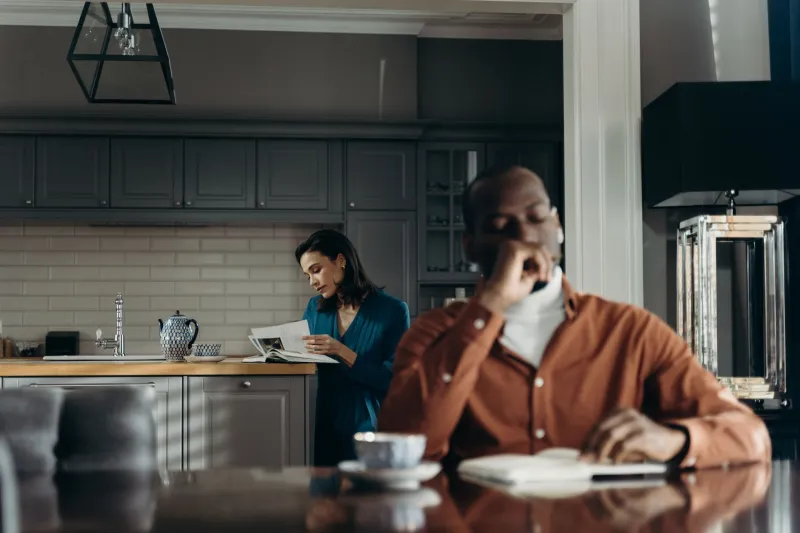
Beyond economics, there is the matter of space. A self-contained home offers the solo traveller something a hotel room rarely does: the quiet luxury of separate rooms, of a sofa to read on, of a bath rather than a shower, of a table large enough to spread out a map and a notebook and a glass of something cold. Space, for women who spend much of their lives navigating environments designed around other people's needs, is its own form of restoration.
Platforms such as Airbnb and Vrbo have made this mode of travel vastly more accessible than it once was, though the most memorable rentals are often found through smaller, specialist agencies — those that deal in properties with genuine character rather than the relentless beige of the professionally staged rental. Seek out the apartment with the slightly eccentric bookshelves, the cottage whose garden has clearly been loved for decades, the townhouse where someone else's life is still faintly visible in the arrangement of things. These are the places that ask something of you in return for what they offer.
What We Are Really Looking For
At its heart, the turn away from hotel travel and towards the rented home is a turn away from spectatorship. It is a refusal of the tourist's fundamental position: outside, observing, consuming, moving on. It is, instead, a bid for something more difficult and more rewarding — the experience of being, however briefly, somewhere rather than merely at it.
This matters particularly for women who travel alone, for whom the question of what travel is for is often more consciously examined. The solo woman who rents a house in the Dordogne for ten days is not simply on holiday. She is conducting a quiet experiment in alternative selfhood — asking what her days look like when stripped of their usual structure, who she is when nobody knows her name, what she chooses when the choice is entirely her own.
The borrowed life, it turns out, has a great deal to teach about the one you already possess.
Return the key. Leave the place as you found it. Take nothing but the memory of a specific quality of light through a particular window, on an ordinary morning, in a city that was never yours and yet, for a little while, unmistakably was.